sitting to hear

I sat the other day with about fifteen like minded people.

We were invited to share something we wanted more of in our lives.

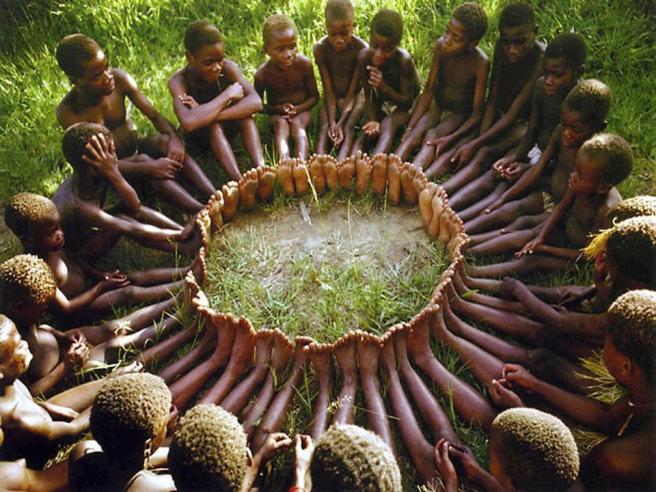
We were sitting in a circle.

I have on several occasions been invited to share my story or something significant about me in a group environment. The most successful of these has always been in a circle, facing each other. It is no accident that village elders often sit in a circle; indeed many cultures do this. Sitting in circles, around a fire, in a yurt, on the desert floor. Children often do it in our primary schools at reading time.

Seeing the faces of the speaker and your fellow listeners builds a bond, draws you to the story, generates a trusting, safe environment. Nobody is in a position of power, authority, dominance. Or in a position of inferiority, subjugation, minority. Everyone is equal.

Strange then that in our places of work, many meeting tables are square or oblong and we are so often organised in rows. Face to face, back to back, side to side.

No wonder we find it hard to be heard.
going…

image

We spend a lot of time going.

Going places.

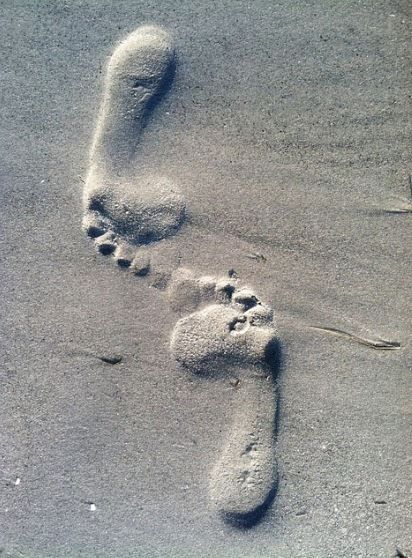
On a bus the other day, gazing backwards out of the rear of the vehicle as it trundled up Park Lane, I noticed this. All around me were cars, buses, bikes, vans, lorries. All the occupants, driver or passenger, going. Where wasn’t clear, but they were all going. As was I. Glancing to the side there were pedestrians and cyclists on the path. Also going. An inline skater eased between these goers, also going? Peering skywards, an aeroplane could be made out, high in the clouds, going. Going further perhaps, but nonetheless going.

We are not often still.

When we’re not physically going, we’re mentally or emotionally going.

Going from here to there. There to here. Going forward, going backwards. Sometimes going sideways. Going round and around. Sometimes going, in order to go. Going to familiar places and to new places. Going to be with, going to be away from.

Or maybe we’re coming?

What’s the difference?

Are these people around me going or coming? Coming or going?

However they might describe their orientation of travel, of movement, one thing is clear. They are not still. They are not simply being. They are not just in the present. They are going, or coming, from or to. Past or future. Was, will be. Then, when.

Not… now.


the cleansing value of sorrow

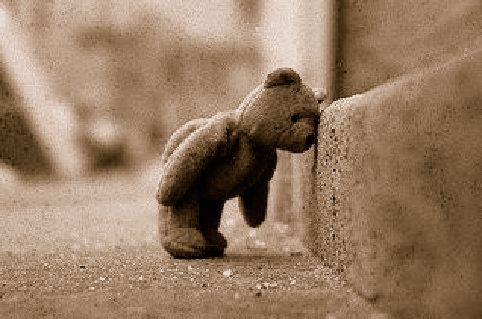
sad teddy

Sorrow prepares you for joy. It violently sweeps everything out of your house, so that new joy can find space to enter. It shakes the yellow leaves from the bough of your heart, so that fresh, green leaves can grow in their place. It pulls up the rotten roots, so that new roots hidden beneath have room to grow. Whatever sorrow shakes from your heart, far better things will take their place.

Rumi

the wisdom of the goats

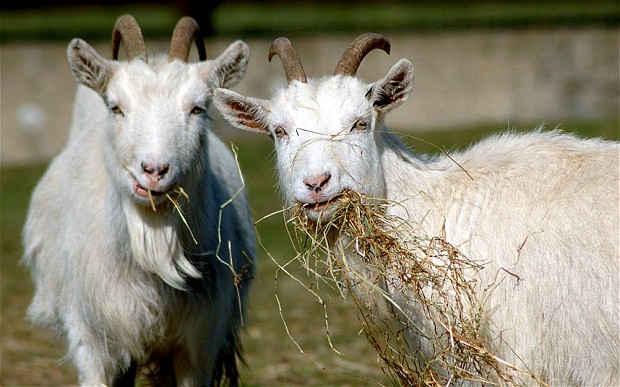
GOATS

In our modern world there is much complexity. With that comes contradiction. An either or, pros and cons, do and don’t do.  We face everyday life with a heavy burden of choice. A weight of expectation, of responsibility. How to spend our time, our money, our energy? Lots of ‘what if?’ Lots of ‘if only?’.

I heard a story the other day which resonated with this world truth of contradiction and complexity.

The story teller, a young African boy at the time of the story. Living in a village in remote Nigeria.

The villagers kept goats. The goats served many purposes. They provided work, endeavour, a sense of purpose. They provided food. They provided milk. They were a currency of prosperity.

But the goats also ate things. Anything. Everything. They destroyed much of the fabric of the village.

The elders of the village met to discuss this complexity, this contradiction. In order to decide.

The young boy observed the elders meeting.  Their long discussion about the goats.

The elders sat and debated this contradiction. For days.

After a while, the young boy asked his father why they continued to discuss the goats. Why they were not deciding.

His father said, there is a wisdom in not deciding. A wisdom in living with the contradiction. And so there emerges another truth in the complexity.

Wise words.

when we’re looking the wrong way

image

It isn’t that they can’t see the solution. It is that they can’t see the problem.

G K Chesterton

Sometimes the bounty we seek is on the inside.
Sometimes it lies in a direction we are blind to.
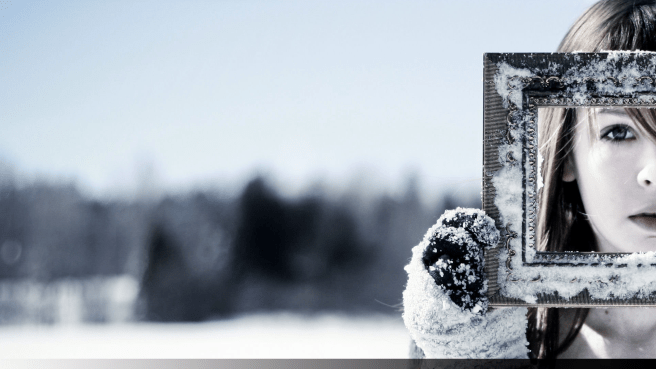
Sometimes we need someone else’s mirror to help to look where we need to look.

our very public privacy

image

I invite you to imagine yourself in a large theatre, standing on a stage in front of an audience of 200 strangers. You are about to speak out, frankly, about your most private moments.

Ready to go? Happy? Begin…

No?

Oddly, public transport seems to provide a safe environment for us to do this. To share our most private moments. A train carriage, packed with 200 strangers for example.

In only the last week I have witnessed three examples whilst travelling on a train.

Maybe it’s the imagined intimacy of the one to one telephone conversation, the background hum of the train on the tracks? Maybe it’s the intensity and the emotion of the content of the exchange, taking us into ourselves?  I don’t know, but somehow these people become so absorbed by their conversation that their awareness of their audience is seemingly totally lost. They find a freedom and a frankness in front of strangers; all sense of potentially prying eyes and ears, any sense of vulnerability, of exposure, of visibility seems to desert them.

Whether it be a lady initially informing her husband she will be late and is having to stand, descending into a row about him never listening to her and a very honest view of his sister’s shortcomings; or a young woman, speaking to a (presumed) friend, recounting her night out, which culminated in her boyfriend hitting her; or a conversation face to face between two standing passengers, conducted at unnecessary volume, one initially exploring a ‘client’ emotionally falling for her (I’m sure there are ethical limits here) and culminating in a sharing of bluntly truthful views on their respective partners and their children…

Maybe we should be more cognisant of our surroundings and the words, thoughts and feelings tumbling out?

Or maybe we could benefit from such honesty, such openness, such trust in our everyday lives?

clap……..clap….clap

image

We love a ritual, don’t we?

The Icelandic football celebration, arms aloft, slow clapping in unison with ever increasing speed, seems to be being adopted globally and I’m sure as the new football season approaches we will see it on many league terraces.

Rituals are important because they provide a sense of identity and a sense of belonging. They signify our tribe, and by taking part we signal our membership of the tribe.

We have rituals in our families. When I was a child we always had Saturday tea watching early evening television. Tea was always bread rolls, often with beef burgers or sausages in. Dripping with ketchup. Christmas and birthdays often offer up family rituals. Mince pie and a carrot for Santa’s reindeer. Christmas breakfast. Birthday meals. We pass these rituals down too. Sometimes the things we did as children we carry forward into our own families. Some pass down from granny or great granny.

There are rituals at work too. We see them as the culture. In my organisation we ‘go for tea’. Rather than grabbing something you drink at your desk, there is a ritual of going for tea or coffee with someone. Taking time away from our desks.

Towns and counties have rituals too. Like cheese rolling, or fell running, or the whole town engaging in a tomato fight.

Countries, culture and societies have rituals too. Like hunting a lion to prove your coming of age, or baby throwing, or tooth filing.

I’m not Icelandic, but I may well clap, if the opportunity arises. I sense this may become a football ritual, and I am, after all, a football supporter.

Clap ………. clap ….. clap .. clap