
What we think, we become

What we think, we become
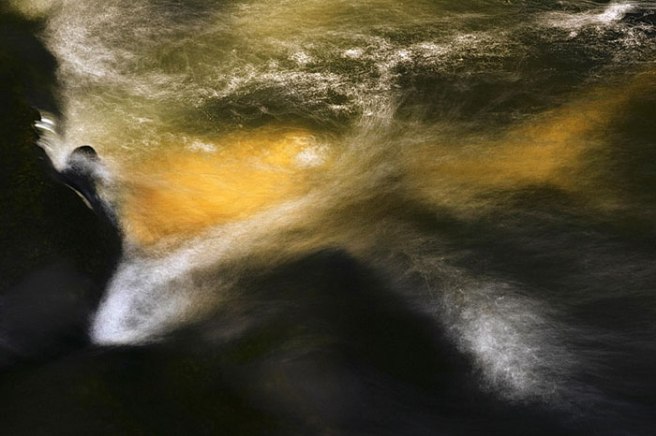
Sell your cleverness and buy bewilderment
Rumi
Our ability to not know, to be curious, is our energy. It breeds learning, growth, relationships, love, movement, dreams, invention, self discovery…

The soldier fights, not because he hates what is in front of him, but because he loves what is behind him.
GK Chesterton
What is behind you that drives you forward?

The ego’s greatest enemy of all is the present moment
When we live in the present moment, what is, simply is. There is no judgement, no expectation, no can or can’t, no should or shouldn’t.
I met a potential coaching client the other day, wanting to explore how they could spend less of their time in a worried state. The brief conversation led to me being curious about worrying. Its intent, patterns of behaviour, structure, purpose etc.
In pondering my own experience I notice that I don’t typically worry when I’m in a really good mood. When things are joyous, happy, positive, worry seems to be absent?
The next thing I notice is that worry seems to be in two broad forms – imagining a future potential scenario or assessing a past one. I worry about something that might or might not happen, or I worry about what I’ve just done, or not done. This leads me to notice that worry seems to be neutral in some way – it shows no favoritism to good or bad, might or might not, did or didn’t.
Worry seems to be a state of disablement. Worry, in a sense, stops me acting. It occupies me … with worry. I don’t know that worry achieves anything other than keeping us busy. I am reminded of this quote (attributed to a number of people)…
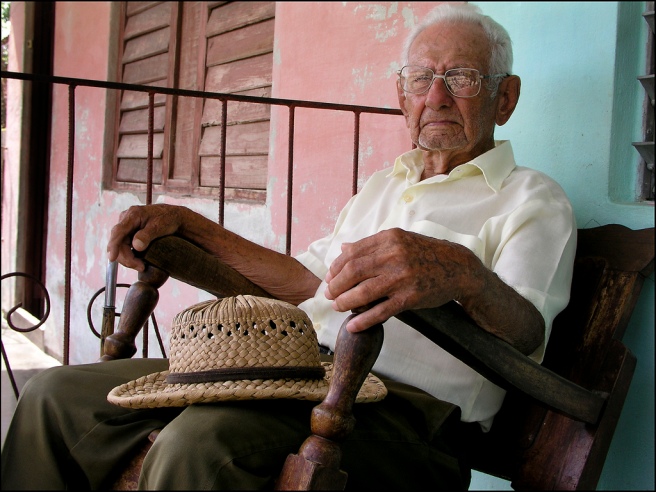
Worrying is like a rocking chair. It gives you something to do but it gets you nowhere.
I have also met people for whom worry becomes a state of existence. They develop beliefs about the need to worry in order to be themselves. Worrying develops a heightened state of challenge that delivers, it seems to them, a better result.
Curious that we worry.
That’s enough worrying about worry for now. Time to just be.

I’m too old for perfection so I’m experimenting with emergence

Try to be a rainbow in someone’s cloud

We do not grow by knowing all of the answers, but rather by living with the questions

Each indecision brings its own delays and days are lost lamenting over lost days.
Are you in earnest?
Seize this very minute; whatever you can do or dream you can do, begin it.
For boldness has magic, power and genius in it.
Begin it now.
Johann Wolfgang von Goethe
Illustrator: Tim Lahan
Most teachers waste their time by asking questions which are intended to discover what a pupil does not know; whereas the true art of questioning has for its purpose to discover what the pupil knows, or is capable of knowing.
Albert Einstein
The world is changing at pace.
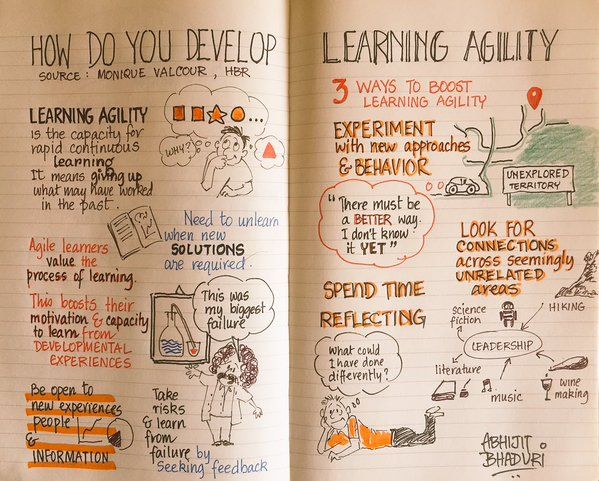
What we know today may largely be irrelevant in the future. What matters most is no longer what we know, but our ability to learn new things. To keep pace with the changing world.
I wonder if Einstein would have recognised this and modified this wisdom to emphasise ‘…is capable of knowing’ and remove ‘…what the pupil knows’?
Recent research correlates success to our learning agility – our ability to be aware of our experience, be curious, seek feedback, find meaning, learn and unlearn.
Einstein was possibly good at that?
 illuminated dandelion