the stripes of power

image

It’s interesting to reflect on where power comes from.

Today, I stepped out onto a zebra crossing. Approaching quickly was a car. I hesitated, one foot in the road. The car slowed rapidly. Not heavily, but rapidly. This signal that I had been seen, encouraged me to move forward, out into the road. A ton of metal, rubber and plastic stopped to let a couple of hundred pounds of essentially water and some minerals cross safely.

White lines painted on a road surface in a particular configuration, together with a pole with an orange light on top, had afforded me power over this driver and their car. Had I attempted to cross one hundred yards down the road, the power would have remained with the car driver and I may well have been squished.

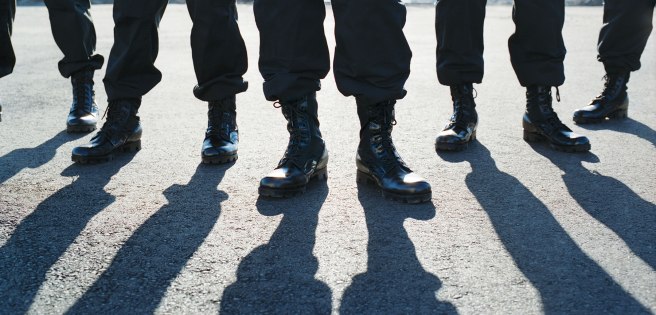
Power can be afforded us through a variety of means. A uniform, a job title, knowledge, braid on a hat, our age, a dog on a leash, our gender and, it seems, by the strangest of environmental factors, such as the placing of a few white lines on a road.

Interesting to reflect on the symbols of power in your life perhaps?


quit your job today

second-job

Many of us come to work and do two jobs.

One, we get paid for.

The other we do to survive. We spend time and energy looking good, making sure our boss and our colleagues like us, appreciate what we do, can see the value we bring. We spend time and energy hiding weaknesses, making sure any inadequacies are kept buried from view, protecting our vulnerabilities. We spend time and energy manoeuvring through the political and cultural slime of the organisation, hoping to escape its quicksand-like pull. We spend time and energy concealing mistakes, showcasing successes, managing and preserving our reputation. We spend time and energy on relationships that might protect us, on gangs, tribes and clans of people like us.

This second job gets a lot of attention, but largely goes unnoticed, because we all do it and we all conceal it. It’s like an unconscious game we all have to play, because anyone who doesn’t play may lose out.

What if our organisations were able to shift so that openly bringing our whole self to work was encouraged, so that mistakes, errors, weaknesses were seen as opportunities for learning and personal growth? Not learning to develop our weaknesses per se, but freedom to acknowledge them with equal weight to our unique abilities. Learning that we’re good, able, confident people really and learning that this ‘other’ job is directed at preserving a myth. The myth that we need to do that job at all.

We could all stop. All quit this second job. Together. Now.

This is an underpinning thought behind the concept of
the Deliberately Developmental Organisation here

weather within

image

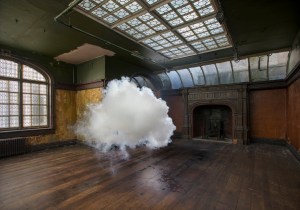
The mood of my garden has shifted. It looks like Autumn. Leaves scattered across the surface. New shoots torn from the trees by blustery winds and driving rain. Low pressure in our weather has descended. The flowers have closed. The bees buzzed off. The birds absent, sheltering, waiting for the mood to lift.

The movement of the weather systems on our planet can change the mood of our nature with ease. The elements in our earthly atmosphere; carbon, oxygen, hydrogen, mix with water vapour and dust to move and swirl at will. With that, the feeling and mood our weather generates flow across our lands with wilful abandon. Nature determines everything.

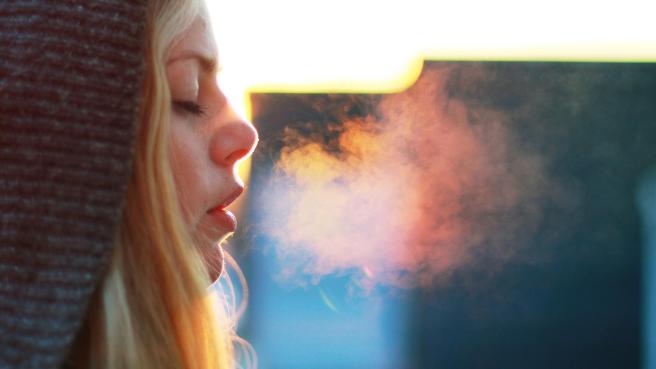
In much the same way, movement in our body systems can shift our mood. The same swirling, churning chemicals, hormones and enzymes can change the sensations we feel in our bodies. Those sensations influence and shape our feelings, our emotions and our mood. Summer can feel suddenly like winter. We can overheat. We can feel damp, drab, off colour. Twisted, shrunk, torn off… inside.

Weather within.

image from Berndnaut Smilde


is it off?

I wonder sometimes how far away we are from the office dying?

I don’t mean my office specifically. I mean the concept and the physical manifestation.

Huge swathes of land used to hold them. Resources expended through their sustenance, upkeep and running. They form visual blots on our landscape; splatterings of glass and concrete across our towns and cities.

Millions of us still travel to the office.  We walk, drive, cycle, commute. Time is lost, travelling. Pollution generated and scarce resources lost, through travelling.

When we arrive we sit in a box, or at a desk and we type and talk. We respond to emails, fill in forms, write presentations and papers. We sit in meetings, we talk in groups, we phone people. For many, the majority of the day is spent more engaged with a keyboard and display than with another human being.

Yet still we come.

Still we come to a physical building miles from where we live to sit with others who also come. Why?

Is this just a hypnotic pattern we succumbed to in past decades? A trance-like manoeuvre we replicate without thought? A pattern so ridiculous, yet so intoxicating, that we cannot see beyond it?

Many have seen the light. They work from home.  Some play with the light; they work from home on Friday.  Some tease the light; they come to the office, but continue working when they get home.

Some say they come for the interaction. To meet people. I wonder what future for this? The other day I heard someone say to their neighbour “I just sent you an email.” They didn’t then have the conversation. Alerting the recipient to the message seemed to suffice.

Nowadays technology either can, or is close to being able to, replicate our ability to perform all these office tasks from anywhere. Social media heralds a new way. We can already share screens, documents, hold chats, share video, see each other via Skype or Facetime. Virtual reality, an imminent reality.

So will the office die? Is the office off? Will it fade away as a construct of the 20th century, lost to the annals of history like cave dwelling or the medieval neck ruff?

Maybe we will convert them all to care homes for the elderly?  Or to shelters for the homeless?


just gathering

image

“I’m just gathering my thoughts”

A phrase we use on occasion. Gathering them, like they might be scattered, lying disconnected from each other? Like gathering the facts, assembling them into knowledge or insight.

Or gathering them like we might gather the harvest? Reap the product of our endeavours. Or gathering them like we might gather the troops? Amassing them so that they might have more power, more force.

Maybe we gather them to untangle them? Or maybe we use that phrase to describe abandoning our thoughts for a moment. Leaving them to themselves so that we might be still. Present in the moment. Not with our thoughts at all.

So much variety in our language. So much room for misinterpretation.

Art by Susan Lenz


without sense, no sense

image

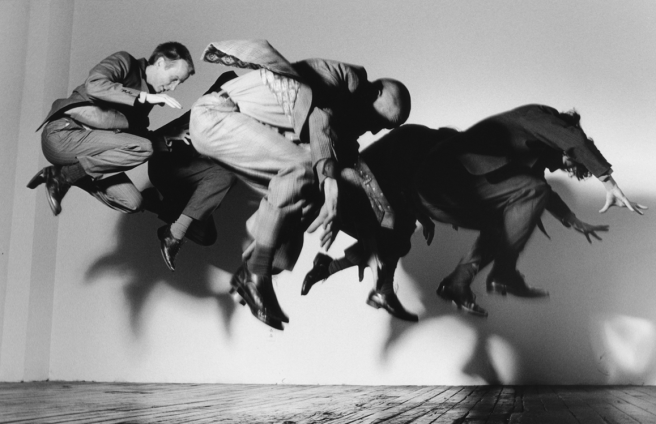
and those who were seen dancing were thought to be insane by those who could not hear the music.

Friedrich Nietzsche

We make sense of our world. With our senses. Same word.

When we remove a sense, the sense we make is different. Developing our ability to use them all in harmony is useful. Don’t just listen, when you can feel what is being said. Don’t just see, when you can hear with your heart.

Make all the sense you can.

here’s the scenario…

image

Top deck of a London bus.

Man comes upstairs and moves to sit next to another man in front seat. Seated man looks up at new passenger who is requesting he move his bag. Seated man looks over shoulder. Behind him there are only six other passengers on the top deck. Seated man looks incredulously at new passenger. “Really?” can be heard.  New passenger, now sitting, asks already seated man, if he wants him to sit at the back?  Already seated man mutters inaudible. Newly seated man shuffles closer, settles down and opens his newspaper. Already seated man stares at cheek of newly seated man like he’s trying to burn through his face with just the power of his stare.

We’re funny sometimes aren’t we? People.

is there a hole in my bucket list?

The bucket list idea has been around for a few years now, popularised by the film of that name from 2007.

Essentially the notion of a list of the life experiences to have, or life achievements to attain, before you die. Before you ‘kick the bucket’.  For example, ‘making this trip ticks one thing off my bucket list’.

You can even download suggested bucket lists – with places you should visit and experiences you should have whilst you still can.  Someone else’s idea of what you should do, to live a rich and fulfilled life.  Interesting concept.

Often these lists contain far flung places to visit or high octane adrenaline fueled experiences. Many cost a lot of money or take a lot of time. Visit Machu Pichu. Skydive. Swim with dolphins. Run a marathon.

What if we lived for the moment instead?  What if we identified the day to day things that bring pleasure, happiness, joy to our lives and just do more of them?

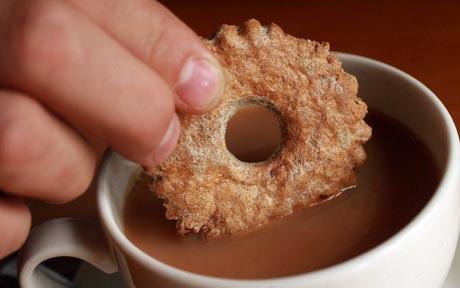
Drink tea with a biscuit to dunk. Sit in the garden. Have a bath. Walk in the woods. Bake brownies. Buy those orange shoes we covet. Listen to a thunderstorm. Hold hands. Laugh.

Too few people notice the little things they enjoy and then set out to do more of them.

It strikes me the bucket list idea has a hole in it.  If we’re focused on our death and on large scale, time costly, expensive big events, then life is leaking out of the hole every day.