yesterday’s traditions today

mayday

It’s Bank Holiday weekend.

Strange how we hold on to these relics of a time gone by. These customs. These traditions. Long beyond their time in a sense.

Bank Holidays have been around in current form since the late 1800s and were all associated with important religious festivals and agricultural holidays before they were enacted into law by the Victorians.  So many go back even further. May Day only became an official bank holiday in 1971, but its roots as a holiday stretch back to pre-Christian pagan festivals, and the familiar rituals of crowning of the May Queen and dancing around the Maypole made it a popular seasonal celebration in medieval England.

So why do we keep traditions?

Sure we enjoy the day off, but we don’t bring the holiday into the present context; rather, we hang on to a relevance long gone.

It is like that too with our lives more broadly.  We hold on to behaviour and thinking rituals which often served us well as children.  No longer useful as adults, we keep them still; almost shackled to the tradition.

We do this with learning too. Learning skills and ways of being which suit one role, but still practicing them in others, such as later careers we may undertake, or even in parenting, or other life roles.

Strange our love of the past.
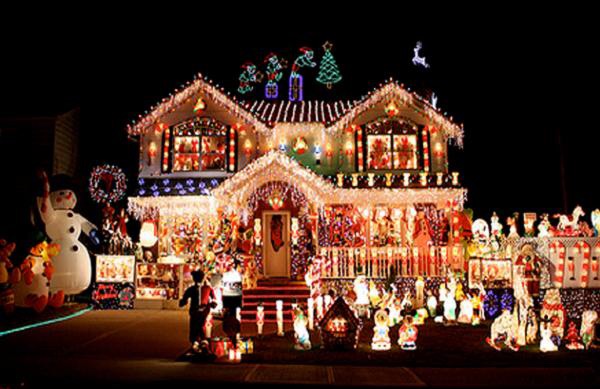


is it time to change the baubles?

image

Christmas approaches.

You probably have decorations up. At home. In the office. Maybe your house is lit up from top to bottom, with trailing flashing lights, illuminated elves and a ho-ho-ho-ing Father Christmas? Maybe not.

Decorations are a tradition at this time of year. As is the tree. So too Brussels sprouts, parsnips, Christmas pudding, mince pies, giving gifts, time off work, parties, over eating, old films on the television…

Traditions connect us to the past.

As individuals we have traditions too. Ways of being, behaviours, things we say or do. We learned them a long time ago, but they stay with us in the present.

Traditions can be thought of as the passing of customs, behaviours or beliefs from one generation to the next, usually within a specific group. Often they reflect a special significance, a meaning defined by our ancestors, long ago.

So too with our own traditions of custom, belief or behaviour. Except with our own traditions of being, we created the meaning and the significance ourselves. And we passed them down, from our childhood, through our teenage formative years, into our early adulthood, our mid-life (crisis optional) and on into our old age. At an early stage of our lives we decided something had to be so. Probably for good reason. Now we continue to live it. It has become our own personal tradition.

Sometimes we would do well to unpack these. To review them. To notice them. To see if they still serve us well.

Traditions can be good. Reminders of our past. Connections to where we come from. But sometimes they can become unhelpful, inappropriate or even a burden.

Reviewing our traditions is probably something we should all do, at this traditional time of year.

Keep what serves you. Change what doesn’t.