the mystery of trust

panama-485x302

Recent media frenzy about well known people and their financial affairs seems to carry with it a cloak of significance way beyond a few thousand pounds of tax liability.  This isn’t really about David Cameron’s tax return or Gianni Infantino’s true knowledge, this is about a deeper, more intangible thing.  A thing which carries great weight, even though we can’t see it, hear it or touch it … trust.

Trust in our institutions has been declining.  The Edelman Trust Barometer evidences this. Trust in government, organisations, leaders has in some cases recovered recently after years of decline.  Buy, as the Dutch say…

Trust arrives on foot but leaves on horseback

Hard to win, easy to lose.

Yet in much of our lives we show huge trust. We happily buy on the internet from organisations we know little about, who often have no physical presence. Sometimes we make those choices based on ratings from other consumers, who we’ve never met, will never know, without awareness for their context… yet we trust their reviews. We book rooms on AirBNB. Rooms in people’s houses. Happy to stay with a complete stranger often on the basis of a few positive comments from previous guests. All on the face of it, significant leaps of faith and dripping in this thing called trust.

In some contexts it’s so important. We like to be trusted and to show trust. Sometimes trust is so easy to gain, yet often easy to lose, and hard to re-gain.

We seek it like an elixir.
We value and covet it like gold.
It unlocks so much, like a magic key.
And we can feel so incensed, so emotive, when we feel trust has been betrayed or lost.

Strange that something so hard to define, so intangible, is so real?

working as a pear

image

When I was at school, I studied Latin. Only for a year as, despite getting an A in end of year tests, I was deemed a scientist. I therefore got to study Physics, Chemistry and Biology as separate subjects. French was my ‘permitted’ language.

Now, with the benefit of some life experience, I realise all these choices, mine or those made by the academic system, were all somewhat pointless. I haven’t really used any of this knowledge to any great degree.

The other day I was designing some training with a colleague. We were creating a storyboard with post it notes. She wrote ‘work as a pear’ on one. Instantly her face crumpled and tears of mirth welled in her eyes as she chortled over this ridiculous concept and silly spelling faux pas (French eh?). I began to snigger too. We enjoyed the moment. Together.

I wish at school I had been offered the subject ‘learning to laugh at myself’. This skill would have been much more useful. The ability to laugh at our mistakes. To laugh at our occasional ridiculousness. Hold our slip ups lightly. Know that everyone is human. Simply lighten the day with laughter and a smile. These are useful skills. De-stressing. Providing context. Perspective. Building togetherness, teamwork. Embracing human frailty. Knowing that we are all fallible yet all amazing.  Feeling good about yourself. Letting others see you, without fear. Building connection.

I recommend laughing at yourself several times each day. It’s good for the soul.

I use it more than any chemistry, physics, biology, Latin or French.


just what is unacceptable?

image

Spitting shells of nuts out on a packed train?
Breaking wind in a lift?
Stealing food so you can eat?
Wishing ill of someone?
Swearing in a public place?
Eating with your mouth open?
Undertaking on a motorway?
Borrowing a book and not returning it?
Sex in a public place?
Judging someone’s dress sense?
Judging someone’s accent?
Drinking too much?
Dressing your dog in clothes?
Not being able to spell?
Wearing double denim?
Getting into debt?
Certain tattoos?
Not sharing a gift of chocolates?
Talking about someone behind their back?
Not visiting your old, lonely relative?
Speeding?
Wearing the same socks twice?
Claiming expenses you aren’t owed?
Not washing your hands in the bathroom?
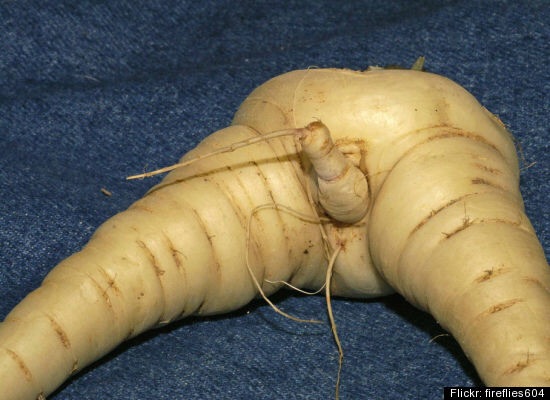
Rude fruit and vegetables?
Cleaning your ear and then eating the wax?
Not sending Christmas cards?
Not showering in the morning?
Taking the last malteser?
Not letting the wine breathe?
Not looking both ways before crossing the road?
Thinking you’re better than someone?
Wishing you had a better life?
Blaming others that you don’t?
Accepting your lot?
Not knowing who you are?
Not caring?
Giving up?
Judging the woman spitting shells of nuts out on a packed train?

the perspective from the top deck

journey view metaphor life
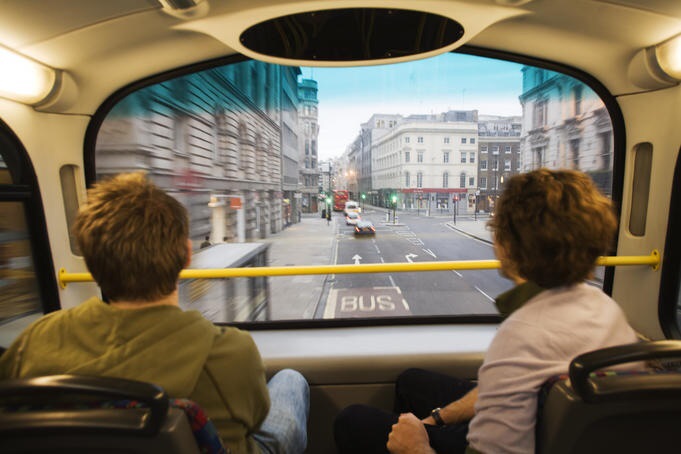
I journeyed the other evening on the top deck of the 436 bus. In the front seat.

The view was a panorama of life. Lights, noise, people, machines, movement. London at its liveliest.

Yet I noticed how journeying this way seems somewhat removed from reality. The bus sways in a slightly disconcerting manner. It rounds corners in a less than natural movement. An almost crab like sideways slide, conjoined with a floating sway. Perhaps delivered through a combination of where the front axle is and the height and flex of the bus carcass? The sensation in my seat is one of disconnect from the road. Not grounded. A little in conflict with the laws of motion; arguing against gravity.

My journey moved to train. A rhythmic sway, merged with sleepy hum as the world rushes past. Not the panorama of the bus front seat, but a sideways glance at a speeding blend of nature and manmade construct. More grounded in one sense, definitely more urgent, more purposeful, but a perspective on life and the world that sped past without detail, without richness.

My final leg was by car. In control, driving. Close to the ground, direct response between feet, hands and movement. Yet my attention focused solely on the road – the journey ahead, the vehicles, the junctions, the risks. No time for sideways glances, no time to really notice people, activity, beauty.

I wonder how much time we spend in our lives travelling in one of these metaphors?

Either stood back, with a wider perspective, but somehow floating above reality? A little disoriented. Observing, but not involved?

Or speeding forward, intent on reaching our goal quickly but with little opportunity to notice the world around us other than an oblique awareness of the blur of movement?

Or deciding our own path, in control of our destiny, our own speed, but necessarily focused on the journey ahead. One lens, one angle of view with little capacity for enjoying our surroundings?

the shadow cast by judgement

shadow judgement
I was struck the other day by two meanings for the word judgement.

In a meeting we were lamenting the loss of a capability to make judgement calls. The ability to hold uncertainty. How rules, laws, policies etc have made us over sensitive to getting it wrong.  What’s the ‘right way?’ we ask. Our risk averse nature in an essentially critical world would seem to make the art of judgement a difficult tool to handle.

In a separate conversation we were discussing the dangers of judgement. The judgement we all make about other people and about ourselves. The way, in an increasingly diverse and inclusive world, we still jump to conclusions about people and equally get stuck in our own patterns of judgement about ourselves.

Wanting greater judgement, yet at the same time challenging its use.

I looked to the dictionary.  The relevant definitions are “the ability to make considered decisions or come to sensible conclusions” or “an opinion or conclusion”

Perhaps that’s the point?  One misses the ‘considered’ or ‘sensible’.  Jumping to an opinion or conclusion without considering alternative perspectives, without seeking to explode well worn patterns and subjectivity?

Judging ourselves and judging others casts a shadow over our lives.

It strikes me, we need to get better at this, as human beings.


fifty shades of green

shades
I’ve been lucky enough to spend time outside today, in the sunshine. I’ve been walking. In open space. Near a river. In nature. Exploring with likeminded people. Coaches.

Nature can teach us much. Many things we struggle with in our human existence have long ago been resolved by nature. By the elements, by other species, by animal and plant. We build buildings with sophisticated cooling systems for hot climates, whilst termites solved the problem long ago, without technology. A tree draws water sixty seventy feet up into its structure without a single pump.

Not only can nature offer us clues to solutions for practical challenges, engineering conundrums, it can also offer insight to our challenges of mind, of thought, of feeling. Challenges around our very being. Our humanity.

Walking today I noticed just how perspective changes as you take another view, turn around, move closer, move away. Useful tools for exploring our own stuckness.

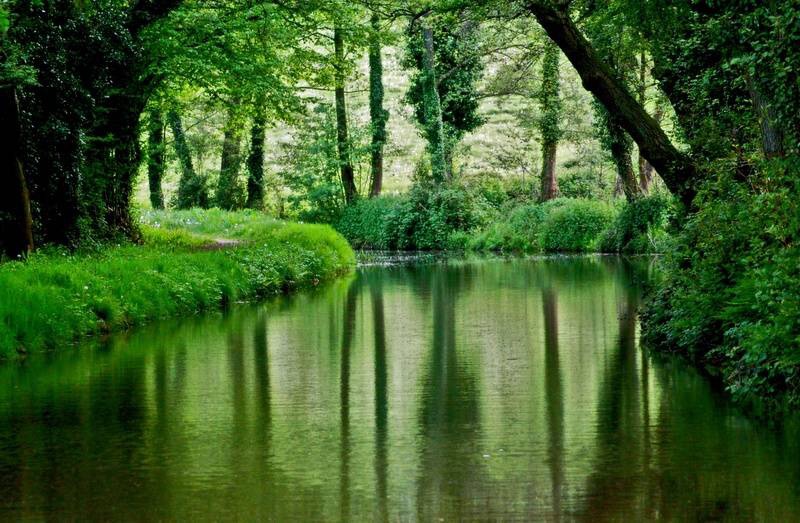
It’s easy to think grass, trees, shrubs, leaves, plants are all green. But today I also noticed just how many shades of green there are. Many enhanced still further by light or shade playing on their surface.

There are shades for our human worlds too. Problems are never one shade. Opportunities are never one shade. Relationships never one shade. Our Performance never one shade. Never one shade of solution. Never one shade of right or wrong, good or bad.

We would do well to remember this. To see the shade in our lives and to get perspective.

If you’re struggling with that, maybe go outside? Walk. Look. Notice.